Why Group Therapy Can Be So Effective for Social Learning
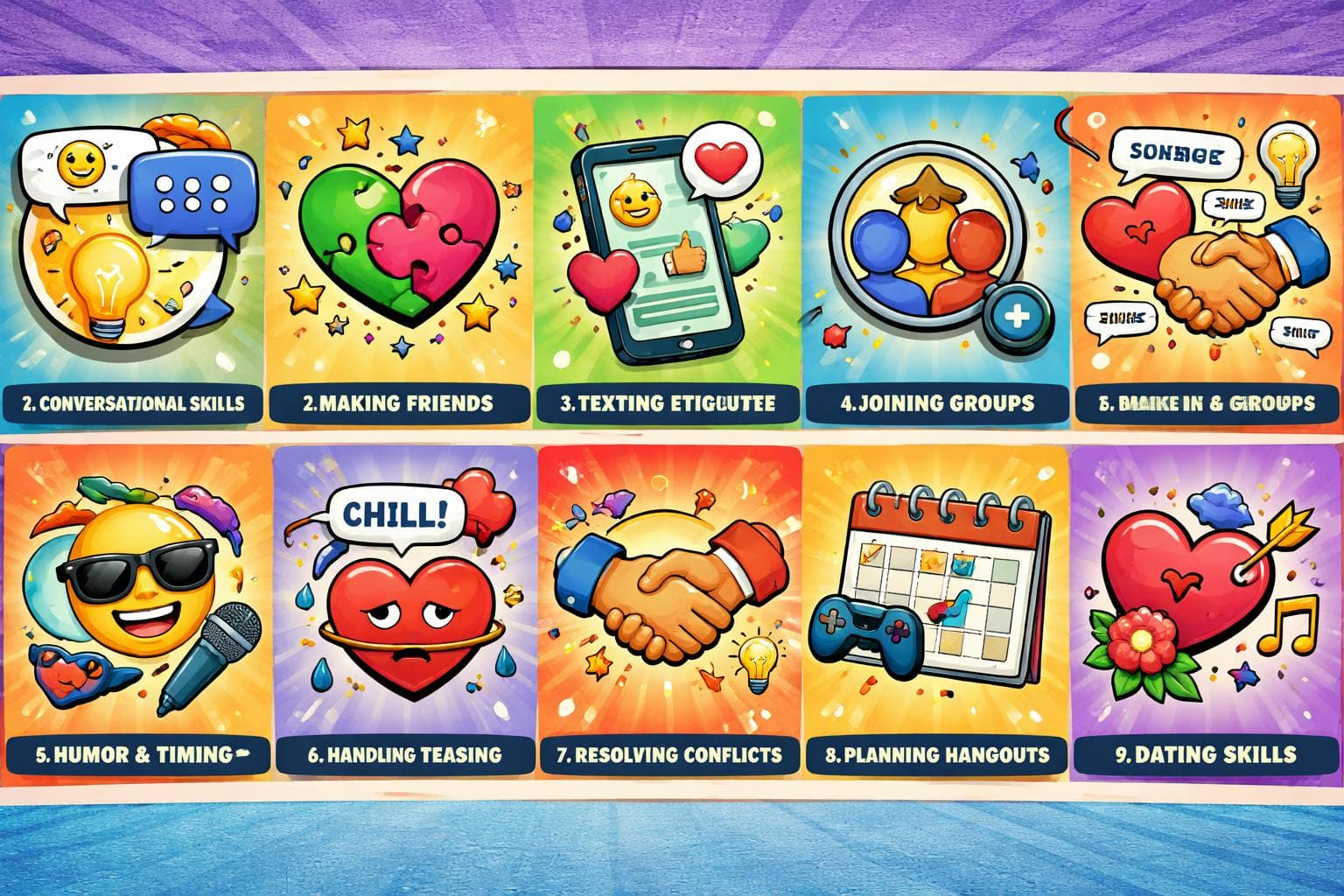
While individual therapy can help teens understand social dynamics, group therapy allows participants to practice interpersonal skills in real time with peers, which research suggests can strengthen social learning and confidence.
In a social skills group, participants benefit through:
- Practicing conversational skills
- Learning strategies for making and keeping friends
- Receiving supportive feedback
- Observing others navigating similar challenges
- Developing a sense of belonging with peers who share similar experiences
For many teens, simply realizing “I’m not the only one struggling with this” can be profoundly validating. Over time, the group itself can become a place where participants experiment with new social behaviors and build confidence through repetition and encouragement.
Evidence-Based Approaches to Social Skills Development
One of the most widely researched programs for neurodiverse social development is the PEERS® program (Program for the Education and Enrichment of Relational Skills), developed at UCLA. Research has shown that structured programs like PEERS can significantly improve social competence, friendship quality, and social engagement among adolescents.
The PEERS model focuses on teaching practical social strategies such as:
- Finding common interests
- Entering conversations
- Handling teasing or rejection
- Navigating peer conflict
- Developing and maintaining friendships
Research has shown that structured programs like PEERS can significantly improve social competence, friendship quality, and social engagement for many adolescents.
Why I Created a Neurodiverse Social Skills Group in Walnut Creek
Over the past three decades of working with neurodiverse children, teens, and adults, I have seen tremendous improvements in diagnosis, understanding in treatment approaches, and access to services. Despite these advances, one glaring gap remains when it comes to supporting teens and adults with social challenges.
Many of the families and patients I support in my practice have repeatedly asked me, “Do you know of a group that supports social skills?” I reached out to colleagues and organizations, and searched online, but consistently found a lack of available groups. When I did find a group, it was often online-only or did not use an evidence based curriculum. I was surprised to see such a lack of access to such a critical service.
Like many private practice therapists, I lacked the space to offer groups, which I had previously done for many years within larger organizations before creating my own business. I knew I needed to make a commitment to the community I serve. In May of 2025, I moved my practice into a much larger office space so that I could begin offering the social skills groups needed and requested by so many individuals and families. I am grateful to now offer social skills groups that so many individuals and families have been seeking.
For families or clinicians seeking a social skills group for neurodiverse teens in the Walnut Creek area, my Neurodiverse Social Skills Group, may be a strong fit.
- 14-week in-person therapy group
- Walnut Creek, California
- Saturdays, 11:30AM–1:00PM
- Evidence-based PEERS curriculum
- Designed for neurodiverse teens seeking support with friendships and social confidence
Participants practice social strategies each week while building relationships with peers in a structured and supportive environment.
If you have a neurodiverse teen in mind, some helpful considerations include:
- Is the teen interested in building friendships?
- Are they willing to participate in a group environment with peers?
- Are there specific social situations that feel confusing or difficult for them?
Social skills groups tend to be most helpful when teens are curious, open to learning, and willing to experiment with new social approaches in a supportive setting.
If you have questions about whether this group may be a good fit, or would like to refer someone, you can learn more here:
About the Author
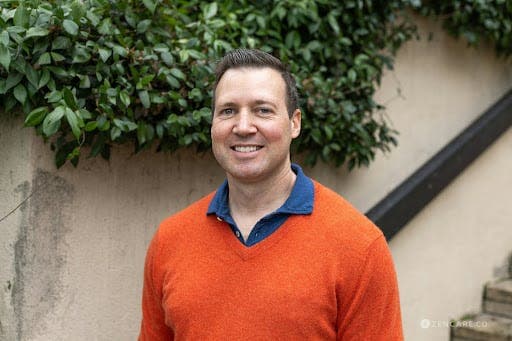
Jonathan Newsum, LMFT – Neuro Relational Therapy
With more than 30 years of experience in the behavioral health field, Jonathan Newsum specializes in supporting neurodiverse individuals and facilitating structured social learning environments.
His groups integrate evidence-based curriculum with compassionate clinical guidance, creating a supportive space where teens can develop social confidence, build friendships, and experience a sense of belonging.